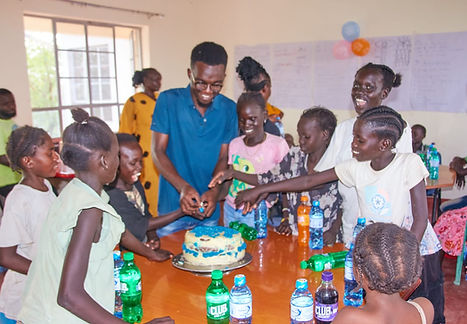


The mission of Hope of the Hopeless is to empower refugees and vulnerable children, youth and women through inclusive education, skills development, livelihood support, psychosocial care, and humanitarian assistance, with the aim of promoting self-reliance, dignity, and long-term community well-being.
Our Vision
Our Mission
The vision of Hope of the Hopeless is to build a community where refugees and vulnerable populations live with hope, resilience, and equal opportunities, and where individuals are equipped with the skills, knowledge, and confidence necessary to build a sustainable and dignified future.
Our Team

JACQUES LWAMBA
Finance Manager
ROLE
Managing the organization’s budget with precision, ensuring that resources are allocated effectively to maximize the impact on the children and families we serve.

KUMBUKA MASITCHWE
Founder and Executive Director
ROLE
He provides the heartbeat and strategic direction of Hope of the Hopeless. Responsible for the overall health of the organization.
LEAH DOMINICA
Co-founder and Secretary
ROLE
Ensures that the organization’s mission is translated into structured action, maintaining the records and administrative standards that allow our programs in Kakuma to function with excellence.
Our Ongoing Projects
Feeding Program
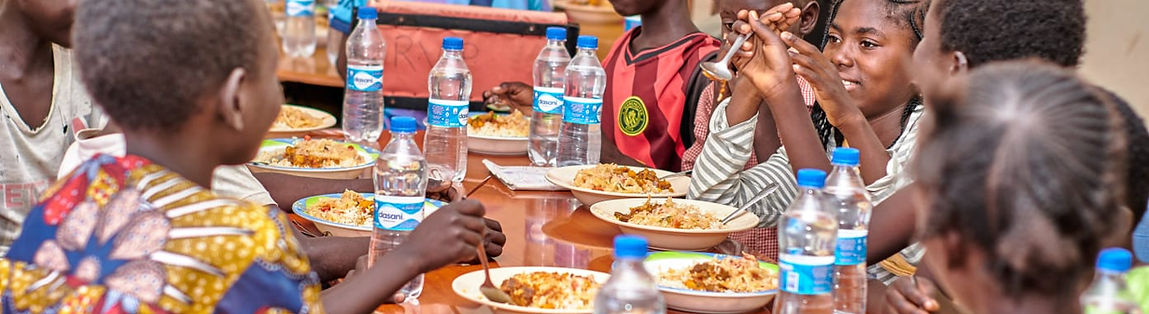
Feeding Program supports vulnerable children who attend our learning programs and schools in Kalobeyei Settlement. Many of the children we work with come from families facing very difficult living conditions, and sometimes they go to school without having eaten.
Through this program, we provide meals to children when they come from school (lunch) and during learning activities so that they can study, concentrate, and participate without hunger. We have seen that when children are well fed, they are more active, more confident, and more engaged in learning.
The Feeding Program has become an important part of our work because it supports both education and the well-being of the children. It also creates a caring and supportive environment where children feel safe, valued, and motivated to continue learning.

At Hope of the Hopeless, we bridge the gap between traditional education and the digital future. Our Digital Literacy program for children is more than just learning to use a computer, it is a specialized remedial environment designed to boost proficiency in English and Mathematics.
Through a blend of technology and mentorship, we help children who have fallen behind in their formal schooling to regain their confidence and master foundational skills.
Our Integrated Approach
-
Interactive Literacy (English): We use digital storytelling, phonics software, and interactive reading apps to make language learning engaging. Children practice speaking, listening, and writing in a low-pressure environment that accelerates their vocabulary and grammar skills.
-
Gamified Numeracy (Mathematics): Math can be intimidating, but through educational gaming and visual software, we turn abstract numbers into tangible concepts. Students master arithmetic, logic, and problem-solving at their own pace.
-
Self-Paced Progress: Every child learns differently. Our digital tools allow students to repeat lessons until they feel mastery, ensuring no child is left behind because the class moved too fast.
-
Future-Ready Skills: While improving their grades, children naturally develop essential tech skills, typing, internet safety, and basic software navigation, that are vital for their future success.
Why This Matters in Kalobeyei
For many children in our community, traditional classrooms can be overcrowded or inaccessible. By providing a digital remedial space, we offer a "second chance" at education. We are not just teaching them to click a mouse; we are giving them the keys to unlock a world of information and opportunity.
"Technology is the equalizer that turns a struggling student into a confident learner."
Digital Literacy
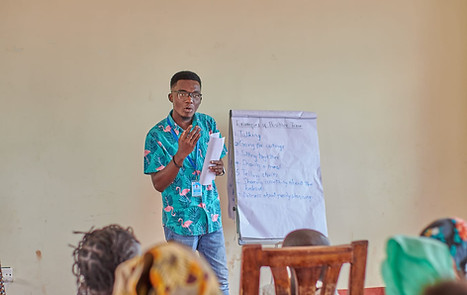
At Hope of the Hopeless, we believe that to care for a child effectively, the caregiver must first be supported. Parenting and caregiving in challenging environments can lead to emotional exhaustion, secondary trauma, and chronic stress. Our psychological sessions are designed to provide a "breathing space" for those who carry the weight of others.
Our Core Focus Areas
We facilitate both individual and group sessions that focus on:
-
Trauma-Informed Care: Helping parents understand the impact of past experiences on current behavior, both their own and their children’s.
-
Stress Management & Resilience: Equipping caregivers with practical tools to manage "caregiver burnout" and maintain emotional stability.
-
Positive Discipline & Communication: Shifting away from punitive measures toward building healthy, trust-based relationships within the family.
-
Peer Support Circles: Connecting parents with one another to break the cycle of isolation and share collective wisdom.
Why These Sessions Matter
Mental health is the foundation of a stable home. When a parent or caregiver feels heard and supported, they are better equipped to provide the nurturing environment a child needs to thrive. Our goal is to transform "survival mode" into a journey of healing and hope.
"Healing the caregiver is the first step in healing the community."
Psychological Support for Caregivers & Parents
Our Future Projects

The Digital Marketplace & Youth Empowerment Hub
To break the cycle of unemployment, we are expanding our computer training to include high-demand Digital Marketing skills.
-
The Vision: Moving beyond basic literacy to teach SEO, social media management, and virtual assistance.
-
The Impact: Transitioning youth from students to self-reliant digital professionals who can compete in the global "gig economy" right from their laptops.
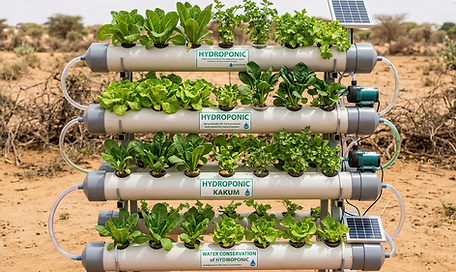
"Green Oases": Hydroponic Gardening for Women
Food security is a major challenge in our desert climate environment in the camp. We want introduce Hydroponic Farming, a soil-less, water-efficient method of growing fresh vegetables.
-
The Vision: Training mothers and female caregivers to manage small-scale hydroponic home gardens that require 90% less water than traditional farming.
-
The Impact: Fighting malnutrition by ensuring every home has access to fresh greens, while empowering women to sell surplus crops in local markets.